How To Germinate Lavender Seeds
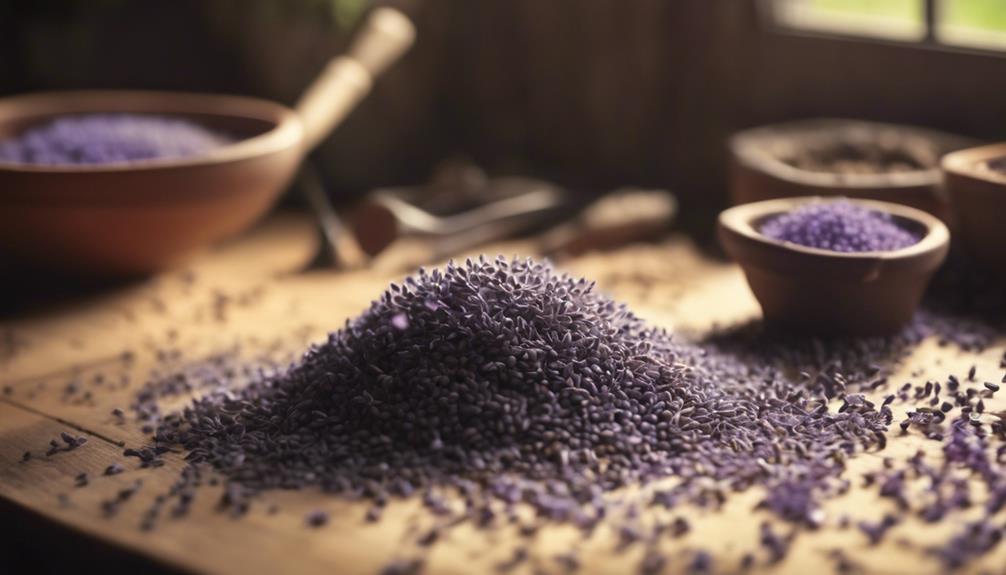
To germinate lavender seeds, begin by stratifying them in a moist paper towel, sealed in a plastic bag, and refrigerated for 30-40 days to break dormancy.
Meanwhile, prepare shallow seed trays with a well-draining seed starter mix. After stratification, scatter the seeds on the surface and gently press them into the soil.
Maintain a consistent temperature around 70°F and keep the soil consistently moist but not waterlogged. Water gently using a spray bottle, and cover the trays with a plastic dome to maintain humidity.
By following these steps, you'll successfully germinate lavender seeds and have robust seedlings to nurture further.
Key Takeaways
To germinate lavender seeds, follow these steps:
- Cold stratify the seeds by placing them in a moist paper towel inside a plastic bag and refrigerating at 35-45°F (2-7°C) for 30-40 days.
- Sow the seeds on the surface of a well-draining seed starter mix, gently pressing them into the mix.
- Maintain a consistent temperature of 65-70°F (18-21°C) using a heating mat if necessary.
- Keep the soil consistently moist but not waterlogged by lightly misting with a spray bottle.
- Provide indirect sunlight or use a grow light placed 2 inches above the seedlings to facilitate germination.
Note: Ensure the seeds receive adequate light during the germination process.
Gather Necessary Supplies
To initiate lavender seed germination, gather a plastic bag, paper plate, moist paper towel, and a refrigerator for cold stratification. These essential items facilitate the initial steps of seed starting.
Acquire high-quality lavender seeds from a reputable source or a neighbor. Varieties like Lavender Lady or Munstead are suitable choices.
Next, obtain a plastic bag to create a controlled environment for the seeds, maintaining the optimal moisture level during cold stratification.
A well-draining seed starter mix is vital for sowing lavender seeds indoors. This mix prevents waterlogged soil, which can hinder germination and damage delicate seeds.
Prepare the seeds by placing them in a seedling cell tray filled with the well-draining soil. This setup allows each seed to develop without competition and makes it easier to transplant later.
For the germination process, wrap the seeds in a moist paper towel before placing them inside the plastic bag. This method keeps the seeds hydrated and ready for the cold stratification phase.
If available, use a heating mat and humidity dome to enhance the germination process by providing consistent warmth and humidity.
Cold Stratification Process
Now that you've gathered your supplies, it's time to initiate the cold stratification process for your lavender seeds. This crucial step simulates the natural overwintering process, enabling your seeds to break dormancy and prepare for successful germination.
To begin, employ the paper plate method. Place your lavender seeds on a moist paper towel, then fold it to cover the seeds. Next, enclose the paper towel in a plastic bag to retain moisture. Seal the bag and store it in the refrigerator, maintaining a consistent temperature between 35-45°F (2-7°C). This setup will simulate the cold conditions your seeds require.
For optimal results, keep your seeds in refrigeration for 30-40 days. During this period, the seeds will undergo cold stratification, a vital process that breaks their dormancy and stimulates germination. Ensure you periodically check the moisture level and re-moisten the towel as necessary.
Key considerations during the cold stratification process include:
• Refrigeration Time: Maintain seeds in the fridge for 30-40 days. • Temperature: Ensure a consistent temperature range of 35-45°F (2-7°C). • Moisture: Verify the paper towel remains damp but not soggy. • Preparation: Following cold stratification, seeds should be ready to plant indoors 10-12 weeks before the last frost date.
Preparing Seed Trays
Preparing Seed Trays for Lavender Germination
To ensure successful germination and growth of lavender seeds, proper preparation of seed trays is crucial. Select shallow seed trays with individual cells to prevent overcrowding and promote healthy root development, which improves germination rates and provides each seedling with adequate space to grow.
Fill the seed trays with a well-draining seed starter mix specifically designed for indoor seed starting. A light soil or vermiculite blend is ideal, providing the optimal texture and drainage for delicate lavender seeds. Avoid using heavy soils that retain excessive moisture, which can lead to fungal diseases and poor germination rates.
Place the filled trays in a warm location with a consistent temperature between 65-70°F (18-21°C). Use a heating mat if necessary, especially when starting seeds indoors during cooler months. Consistent warmth is essential for encouraging seed germination.
Adequate light is also critical for lavender seed germination. Position the trays in a sunny south-facing window or use supplemental grow lights to ensure proper light exposure, preventing the soil from becoming too wet and providing the necessary energy for seedling growth.
Maintain a lightly moist soil, avoiding overwatering, which can cause seed drowning and fungal problems. Regularly check the moisture level and adjust as needed to create an optimal environment for lavender seed germination.
Sowing Lavender Seeds
Once you've prepared your seed trays, sow your lavender seeds on the surface of the starting medium, as they require light to germinate. Gently press the seeds into the surface to establish good contact with the medium. Maintaining a consistent temperature of around 21°C (70°F) is vital for seed propagation, which can be achieved using a heat mat.
To improve the chances of successful germination, consider the following:
• Use commercially-sterilized seed-starting soil to minimize the risk of disease and provide a nutrient-balanced environment. • Keep the soil lightly moist, watering in the morning to prevent fungus growth and ensuring the seeds stay hydrated. • Provide 16-18 hours of light daily, using grow lights if necessary to simulate the long daylight hours lavender needs. • Sow seeds indoors 6-12 weeks before the last frost, allowing ample time for germination and development before transplanting outdoors.
Unlike some other seeds, lavender doesn't require cold stratification, making it easier to start indoors. Once sown, place your trays in a location with adequate light and warmth. Using a heat mat can help maintain the ideal temperature, speeding up the germination process. Lavender seeds typically take a couple of weeks to sprout, so be patient.
To ensure strong and healthy seedlings, provide consistent care. When they develop several leaves, they're ready to be transplanted. Remember to harden them off before moving them outdoors to help them adjust to their new environment. This careful attention in the early stages will set the foundation for robust lavender plants that can thrive in your garden.
Providing Optimal Conditions
Ensuring lavender seeds germinate successfully requires maintaining a controlled environment with optimal temperature, light, and moisture levels. Lavender seeds thrive when these factors are carefully managed, helping them sprout into healthy seedlings.
Maintain a temperature between 65-70°F (18-21°C) for ideal germination. If germinating indoors, consider using a heat mat to maintain consistent warmth. Lavender seeds also require light to germinate. Plant them shallowly on the soil's surface or scatter them lightly. A grow light can provide the necessary illumination if natural sunlight is insufficient.
Moisture levels are equally important. Keep the soil consistently moist but not waterlogged, as excessive moisture can lead to mold or rot. A gentle misting can often provide the right amount of water without oversaturating the seeds. Additionally, consider cold stratification, a process where seeds are refrigerated for a few weeks before planting. This mimics the natural overwintering process and can improve germination rates.
Optimal conditions for lavender seed germination are summarized in the following table:
| Factor | Ideal Condition |
|---|---|
| Temperature | 65-70°F (18-21°C) |
| Light | Shallow planting, grow light |
| Moisture | Consistently moist, not waterlogged |
| Cold Stratification | Refrigerate seeds before planting |
Watering and Maintenance
Regular watering and proper maintenance are crucial for nurturing healthy lavender seedlings. As you begin germinating lavender seeds, it's vital to understand how to care for them diligently.
Ensure the soil mix is consistently moist but not waterlogged, as overwatering can lead to root rot, a common issue for delicate seedlings. When watering, use a spray bottle to mist the soil lightly, providing enough moisture without drowning the seeds.
Check soil moisture regularly by testing the top inch of the soil with your finger; if it feels dry, it's time to water. Avoid direct sunlight initially; keep newly germinated seeds under a grow light or indirect sunlight to prevent drying out. Maintain humidity by covering seedlings with a clear plastic dome or plastic wrap, creating a mini-greenhouse effect. Use a well-draining soil mix specifically designed for seed starting to prevent water from pooling and harming the seedlings.
In addition to watering, maintenance involves monitoring the seedlings' overall health. Daily, ensure they receive adequate light and air circulation. If using a grow light, keep it about two inches above the seedlings and adjust as they grow. Rotate the seedlings regularly to promote even growth and prevent leaning towards the light source.
Transplanting Seedlings
Transplanting Lavender Seedlings: A Step-by-Step Guide
After providing your lavender seedlings with proper care, it's time to transplant them into their permanent outdoor location. To ensure a successful transition, follow these essential steps:
Hardening Off (1-2 weeks) Gradually expose your seedlings to outdoor conditions to prepare them for the shift. Start with 1-2 hours of outdoor exposure, increasing the duration daily.
Selecting the Ideal Location Wait until the threat of frost has passed and your seedlings are 2-3 inches tall. Choose a sunny spot with well-draining soil to prevent waterlogged areas.
Transplanting (Spacing and Soil Preparation) Space seedlings 12-18 inches apart to allow adequate airflow and prevent overcrowding. Dig holes deep enough to cover the root ball without burying the stem too deeply. Gently firm the soil around the roots to eliminate air pockets.
Post-Transplanting Care Water the seedlings thoroughly after transplanting. Water only when the top 2 inches of soil are dry to prevent overwatering, which can harm the lavender roots.
Transplanting Checklist
| Step | Key Actions | Tips for Success |
|---|---|---|
| Hardening Off | Gradually expose seedlings to outdoors | Start with 1-2 hours, increase daily |
| Spacing and Soil Preparation | Space 12-18 inches, use well-draining soil | Avoid waterlogged areas |
| Watering After Transplanting | Water when top 2 inches of soil is dry | Prevent overwatering |
Long-Term Care and Blooming
To ensure the optimal growth and blooming of lavender plants, focus on providing full sun, well-drained soil, and moderate watering. During the first year, blooms may be minimal, but with proper long-term care, they'll thrive and produce abundant flowers by the second year.
Proper care involves several key practices to maintain the health and vigor of lavender plants:
Environmental Conditions: Provide at least six to eight hours of full sun daily to promote strong stems and vibrant blooms.
Soil Requirements: Use well-drained soil with a slightly alkaline or neutral pH to prevent root rot and ensure good aeration.
Watering: Water moderately, allowing the soil to dry out between waterings to prevent overwatering, which can harm the plants.
Pruning: Prune lavender plants in the spring, trimming no more than one-third of the branch length to promote new growth, stimulate blooming, and maintain the plant's shape. Avoid excessive pruning, which can damage the plant and inhibit growth.
When starting from seeds, patience is essential, as it may take up to two years for lavender to bloom. Initial growth is typically slow, but consistent long-term care will encourage the plants to thrive.
Frequently Asked Questions
How to Germinate Lavender Seeds Quickly?
To germinate lavender seeds quickly, employ a multi-pronged approach. Begin by soaking seeds prior to planting to enhance germination. Provide adequate light exposure, as lavender seeds require light to germinate. Use high-quality soil with good drainage to prevent waterlogged soil. Maintain optimal temperatures between 65°F to 75°F (18°C to 24°C) for germination. Establish a consistent watering schedule to prevent overwatering or underwatering. Finally, ensure proper care for seedlings throughout all growth stages to promote healthy and rapid growth.
Is It Difficult to Grow Lavender From Seed?
Growing lavender from seed requires careful planning and attention to detail. To succeed, you'll need to prepare the soil properly, water consistently, use viable seeds, provide adequate light, and fertilize occasionally. Be prepared for a germination period of one to three months. Proper seed storage is also crucial.
Do Lavender Seeds Need Cold Stratification?
Lavender seeds require cold stratification to break dormancy, which can be achieved through pre-chilling methods like moist chilling or winter sowing. This process facilitates successful germination, enabling the growth of healthy lavender plants.
Can I Start Lavender Seeds Indoors?
To successfully start lavender seeds indoors, use seed trays with high-quality potting soil. Ensure the seeds receive proper indoor lighting, maintain a consistent watering schedule, and control temperatures between 65-75°F (18-24°C). Select high-quality seeds and carefully monitor each growth stage to guarantee successful germination and growth.
Conclusion
To successfully germinate lavender seeds, it's crucial to maintain ideal conditions and provide consistent care.
With proper attention, you'll eventually be rewarded with the sight of healthy lavender plants swaying gently in the breeze, filled with fragrant purple blossoms.